4 min read
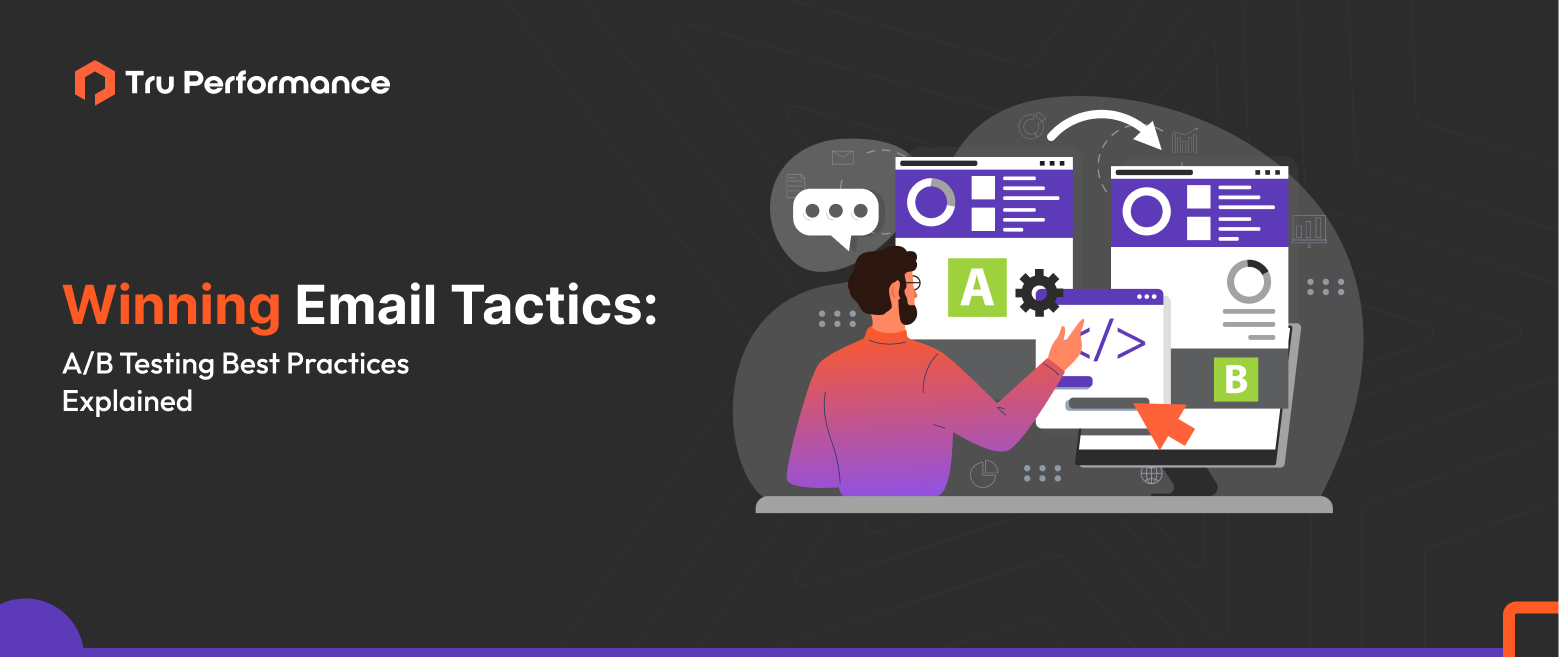
A/B testing has emerged as a crucial practice in email marketing. By systematically evaluating different components of your campaigns, you can discover what resonates most with your audience and make informed adjustments to enhance performance. This guide offers actionable strategies for A/B testing email campaigns, alongside proven best practices and illustrative examples, to help transform your email marketing into a data-driven success.
What Is A/B Testing in Email Marketing?
A/B testing, or split testing, is a technique where two versions of an email are sent to different audience segments to determine which performs better. For instance, testing two subject lines might reveal which one leads to more opens. This straightforward method removes the guesswork from email marketing by delivering data-backed results.
Marketers often wonder, “Is A/B testing worth the effort?” Absolutely. Testing enables the refinement of elements like subject lines, calls-to-action (CTAs), and design. Even simple tests can yield significant improvements, empowering businesses of all sizes to make smarter decisions.
Why A/B Testing Matters for Email Marketing
A/B testing is vital for optimizing engagement and driving revenue. It enables you to:
- Increase open rates: By testing subject lines and preheaders, you can rise above inbox clutter.
- Boost click-through rates: Testing CTAs, visuals, and copy improves engagement.
- Enhance personalization: Adapting to audience preferences deepens relationships.
Example: One e-commerce brand replaced static images with animated GIFs in its emails, leading to a 25% boost in click-through rates and a 40% surge in sales. Small adjustments can result in remarkable gains.
How to Conduct A/B Email Testing
Here’s a step-by-step approach to effective A/B testing:
- Set clear goals. Are you aiming to increase open rates, click-through rates, or conversions? Define objectives upfront.
- Choose one variable to test. This could be the subject line, CTA, or send time. Testing multiple elements simultaneously complicates analysis.
- Divide your audience. Split your list randomly and evenly for fair results.
- Run the test. Use platforms like Mailchimp or HubSpot to execute and track results.
- Analyze the data. Focus on statistically significant differences to identify the winner.
Pro Tip: Allow at least 7-14 days for sufficient data collection or until it reaches statistical significance.
A/B Testing Email Subject Lines for Better Open Rates
Subject lines significantly influence open rates. Experiment with personalization, urgency, and tone. For example:
Test A: “Exclusive Deals This Week”
Test B: “[Name], Don’t Miss Out on These Savings!”
Result: The personalized subject line achieved a 20% higher open rate. Simple tweaks can have a big impact. Other ideas include testing emojis, time-sensitive phrases, or curiosity-driven wording to see what resonates with your audience.
Advanced A/B Testing Strategies
When you’re ready to go beyond the basics, try these advanced techniques:
- Audience Segmentation: Test specific variations for different demographics or behaviors.
- Dynamic Content: Deliver tailored messages based on user behavior or preferences.
- Send Time Optimization: Analyze when your audience is most active and test timing.
These strategies deepen audience insights and enable larger-scale optimization for email marketing.
“A recent A/B testing project involved a leading low-code process automation platform. We tested two different welcome email sequences for new customers: one with a single introductory email and another with a three-part series. By analyzing open rates, click-through rates, and conversion rates, we determined that the three-part email sequence resulted in a 20% higher customer engagement and a 15% increase in successful onboarding.”
Best Practices for Email A/B Testing
To get the most out of A/B testing:
- Be specific: Clearly define measurable objectives for each test.
- Start simple: Focus on testing one element at a time.
- Ensure accuracy: Use statistical tools to confirm significance.
- Iterate regularly: Apply learnings to future campaigns.
By following these guidelines, you can create a robust testing framework to improve performance consistently.
Analyzing and Applying Results
After testing, it’s critical to analyze results thoroughly. Use tools like Google Analytics or Tableau to assess:
- What worked? Did certain elements outperform others?
- What didn’t? Were there aspects that fell flat or underperformed?
- What’s next? Implement successful strategies in future campaigns and continue testing.
Sharing insights across your team ensures that improvements are systematic, benefiting your overall marketing strategy.
A/B testing isn’t just a method—it’s a mindset. By leveraging data and aligning with audience behavior, you can create impactful email campaigns that deliver higher engagement and greater ROI. Use the strategies in this guide to unlock the full potential of your email marketing efforts.